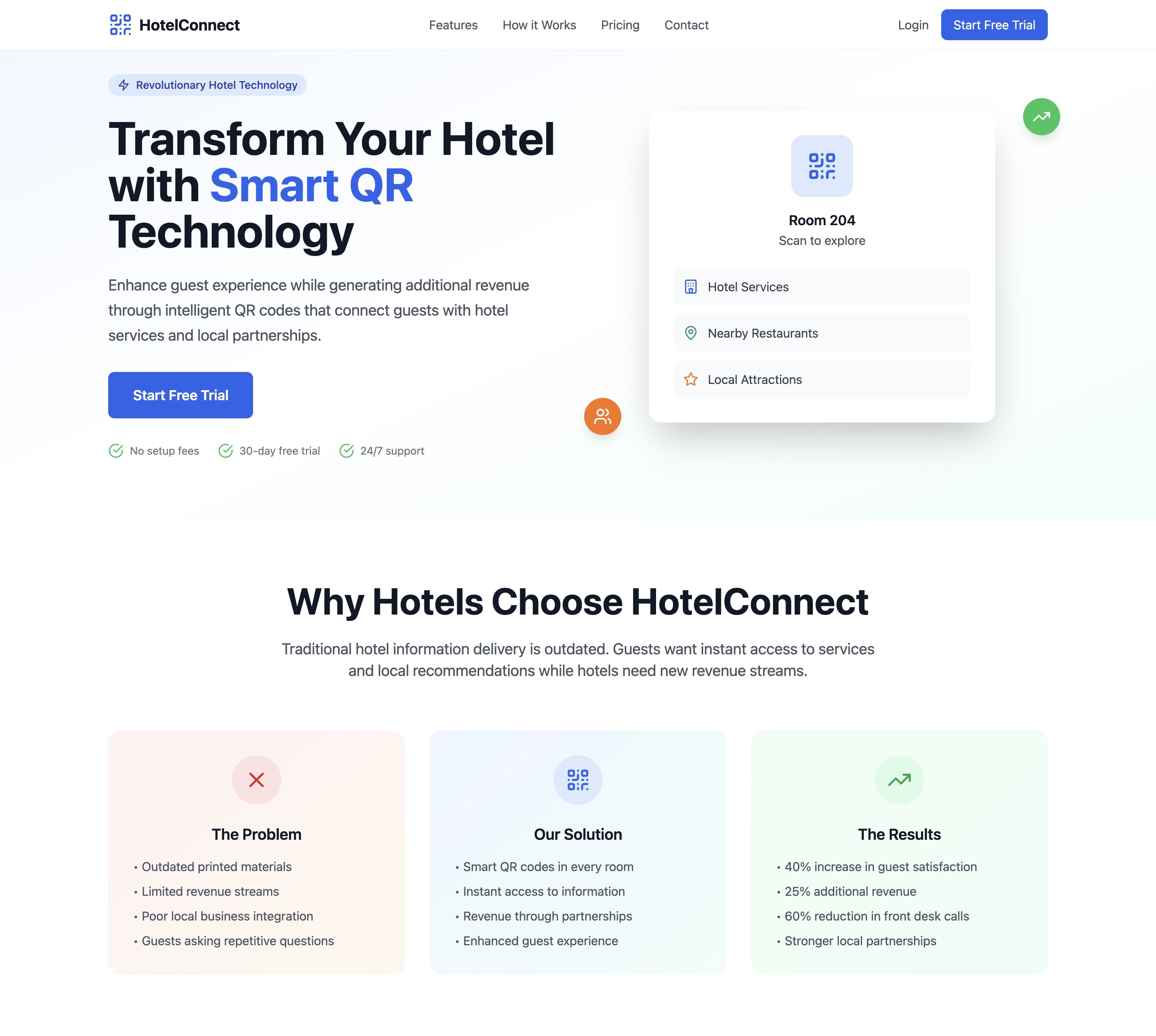
The hospitality industry is experiencing a digital transformation, with hotels increasingly adopting technology to enhance guest experiences and streamline operations. One of the most impactful innovations in recent years has been the integration of QR code technology into hotel rooms, creating seamless, contactless information delivery systems that benefit both guests and hotel operators.
This article explores how smart QR code platforms are revolutionizing hotel guest experiences, examining the technology's benefits, implementation strategies, and real-world impact on the hospitality sector.
The Evolution of Guest Information Delivery
Traditional hotel information delivery has relied heavily on printed materials—room directories, local attraction guides, restaurant recommendations, and amenity lists. While these resources serve their purpose, they present several challenges:
- High printing and replacement costs - Materials become outdated quickly and require frequent reprinting
- Limited information capacity - Physical booklets can only contain so much information
- Language barriers - Providing multilingual information requires multiple printed versions
- Environmental impact - Significant paper waste from outdated materials
- Front desk overload - Staff spend considerable time answering repetitive questions
- Guest frustration - Waiting for front desk availability during peak hours
The COVID-19 pandemic accelerated the adoption of contactless technologies, making QR codes a natural fit for hospitality. Today, hotels worldwide are implementing QR code-based information systems that address these traditional limitations while providing enhanced functionality.
How QR Code Technology Works in Hotels
Modern QR code platforms for hotels function as comprehensive digital information hubs. When guests scan a QR code placed in their room, they're instantly connected to a mobile-optimized portal containing:
- ✓ Hotel Amenities & Services - Complete information about your facilities, spa services, pool hours, fitness center, and more
- ✓ Nearby Restaurants & Dining - Curated local dining recommendations with menus, hours, and reservation links
- ✓ Transportation Options - Taxi services, car rental companies, and public transport details with booking links
- ✓ Tour Guides & Local Attractions - Pre-vetted tour operators and must-visit places with booking capabilities
- ✓ Shopping Partners - Local retail recommendations and shopping guides
- ✓ FAQs & Important Contacts - 24/7 self-service information covering common questions
Key Benefits of QR Code Technology in Hospitality
1. Enhanced Guest Experience
The primary benefit of QR code information systems is the immediate improvement in guest satisfaction. Studies show that hotels implementing these systems report:
- Instant information access - Guests receive immediate answers to common questions without waiting for front desk availability
- 24/7 availability - Information is accessible at any time, even during peak check-in hours when front desk staff are busy
- Multilingual support - Digital platforms can offer content in multiple languages, eliminating language barriers for international guests
- Mobile-first design - Optimized for smartphones, which 95% of travelers carry with them
- Comprehensive information - Unlike printed materials, digital platforms can include extensive details, images, maps, and booking links
2. Operational Efficiency and Cost Savings
Hotels implementing QR code systems report significant operational improvements:
- Reduced front desk workload - Studies indicate a 50-60% reduction in routine information inquiries, allowing staff to focus on personalized service
- Eliminated printing costs - No more expensive room directories, local guides, or amenity booklets that require frequent updates
- Real-time updates - Information can be updated instantly without reprinting materials
- Reduced training requirements - New staff don't need to memorize extensive local information
- Consistent information delivery - Every guest receives the same accurate, up-to-date information
3. Revenue Generation Opportunities
Beyond cost savings, QR code platforms create new revenue streams through strategic partnerships:
- Local business partnerships - Hotels can earn commissions by partnering with restaurants, tour operators, transportation services, and retail establishments
- Affiliate marketing - When guests book services through the hotel's QR portal, the hotel receives referral commissions
- Upselling opportunities - Hotels can promote premium services, spa treatments, and dining experiences directly through the platform
- Data insights - Understanding guest preferences helps hotels tailor offerings and partnerships
Revenue Potential Analysis
For a mid-size hotel (50 rooms, 70% occupancy):
- Approximately 1,050 room nights per month
- If 15-20% of guests book services through the platform
- Average commission of $5-7 per booking
- Potential additional revenue: $800-1,500/month
*Actual results vary based on location, partnerships, and guest engagement
4. Scalability for Hotel Chains
For hotel management companies and chains, QR code platforms offer centralized management:
- Multi-property management - Control and customize information for multiple hotels from a single dashboard
- Brand consistency - Maintain consistent guest experience standards across all properties
- Centralized analytics - Track performance metrics and guest engagement across the entire portfolio
- Bulk updates - Make system-wide changes efficiently
Industry Impact and Measurable Results
Hotels implementing QR code information systems report significant improvements across multiple metrics:
30-40% Increase
in guest satisfaction scores, as guests appreciate instant access to information
Additional Revenue
from local business partnerships and affiliate commissions
50-60% Reduction
in routine front desk inquiries, freeing staff for personalized service
Environmental Impact
Significant reduction in paper waste and printing costs
Implementation Considerations
When considering QR code implementation, hotels should evaluate several factors:
Technical Requirements
- QR code placement - Strategic placement in rooms, lobbies, and common areas for maximum visibility
- Mobile optimization - Platform must be fully responsive and work across all device types
- Internet connectivity - Reliable Wi-Fi is essential for guest access
- Content management - User-friendly dashboard for easy updates and customization
Content Strategy
- Comprehensive information - Include all amenities, services, and local recommendations
- Regular updates - Keep information current, especially for restaurants, events, and local attractions
- Visual appeal - Use high-quality images and intuitive navigation
- Multilingual support - Consider the primary languages of your guest demographic
Partnership Development
- Local business relationships - Build partnerships with restaurants, tour operators, and service providers
- Commission structures - Establish fair and mutually beneficial revenue-sharing agreements
- Quality control - Vet partners to ensure they meet your hotel's service standards
- Regular communication - Maintain relationships and update partner information regularly
Future Trends in Hotel Technology
QR code technology represents just one aspect of the broader digital transformation in hospitality. Looking ahead, we can expect to see:
- Integration with hotel management systems - Seamless connection with PMS, POS, and other operational systems
- AI-powered personalization - Customized recommendations based on guest preferences and behavior
- Voice-activated assistants - Integration with smart room devices for hands-free information access
- Augmented reality features - Interactive maps and virtual tours of local attractions
- Advanced analytics - Deeper insights into guest behavior and preferences
Conclusion
QR code technology has emerged as a powerful tool for enhancing hotel guest experiences while improving operational efficiency. By providing instant, comprehensive information access, hotels can reduce front desk workload, eliminate printing costs, and create new revenue opportunities through local partnerships.
As the hospitality industry continues to evolve, hotels that embrace digital innovation will be better positioned to meet guest expectations and remain competitive. QR code information systems represent a practical, cost-effective solution that delivers immediate benefits while supporting long-term sustainability goals.
Whether you're managing a boutique hotel or a large chain, implementing a QR code-based information system can transform how you deliver guest services. The technology is accessible, affordable, and offers measurable returns on investment through improved guest satisfaction, operational efficiency, and revenue generation.